
Thixotropic injection molding technology is a process of melting low melting point alloys. The technology of injecting raw materials into metal molds at high speed and pressure for molding adopts an integrated molding method. Integrate die-casting and injection processes into one. The mold and molding materials are similar to the semi-solid die-casting process, while the process is similar to injection molding. At room temperature, granular magnesium alloy raw materials are forcibly transported from the hopper to the barrel, and the rotating spiral body in the barrel causes the alloy particles to move towards the mold; When it passes through the heating part of the barrel, the alloy particles become semi-solid. Under the shearing action of the helical body, the alloy with a semi-solid dendritic structure transforms into a granular primary phase structure; When it accumulates to the predetermined volume, it is pressed into the vacuum preheated mold at high speed (5.5m/s) to form. When forming, the heating system adopts a composite heating process of resistance and induction, and the solid volume fraction of the alloy can reach up to 60%. Simultaneously introduce argon gas for protection.
The high casting pressure of thixotropic injection molding can promote heat transfer between metal molds and magnesium alloy materials, resulting in micro refinement of grains near the surface, endowing the formed products with high corrosion resistance and mechanical strength. This casting pressure can also improve the replicability of the product to the metal mold, making it easier to form reinforcement ribs and protrusions. The temperature of the material is 50-100 ℃ lower than that of ordinary die casting methods, so it can control the dimensional changes caused by thermal shrinkage of the product. And improve the service life of the mold. In addition, thixotropic injection molded parts can be heat treated without the need for a melting furnace, the use of SF6 flame retardant gas, and the absence of dross and slag, balancing safety and environmental requirements (SF6 can damage the atmospheric ozone layer). Therefore, thixotropic injection molding technology is a practical molding method in the future.
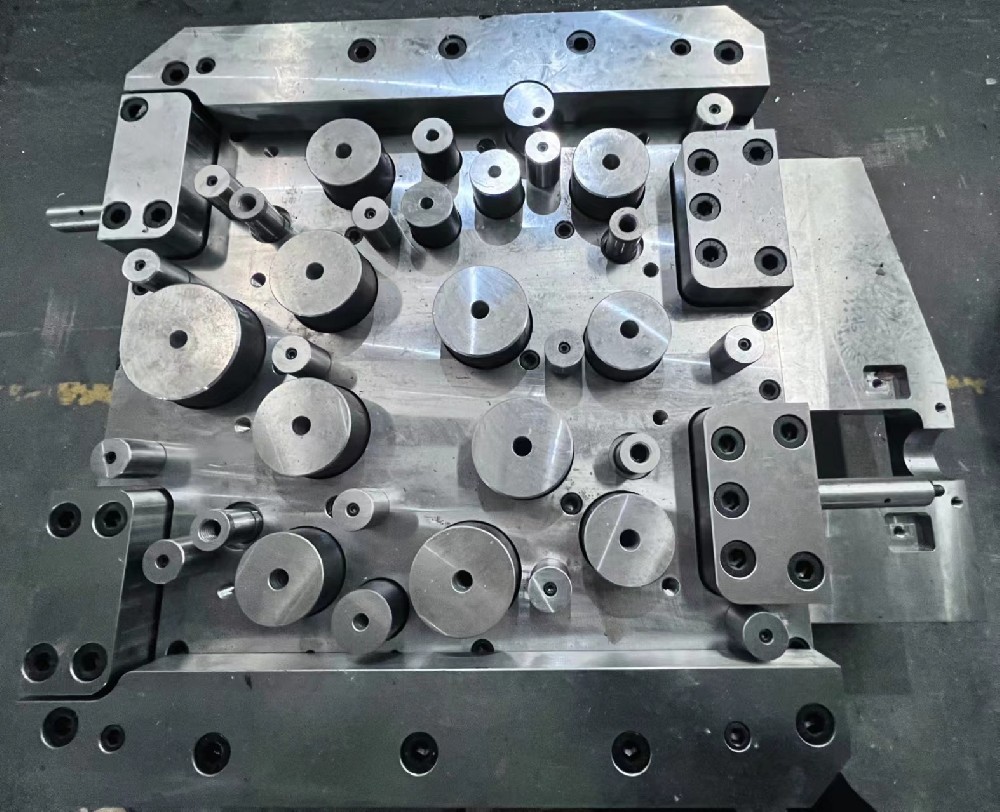
Comparison between thixotropic injection molding and traditional die casting
The thixotropic injection molding casting method does not require melting, pouring, or gas protection, making the production process cleaner, safer, and more energy-efficient. In thixotropic injection molding, by adjusting the temperature of the sleeve, the solid phase fraction of the magnesium alloy injected can be adjusted from a completely melted state to several tens of percent. Melt the magnesium alloy by rotating the electric heater and screw outside the sleeve, based on the amount injected each time. Quantitative feeding into the sleeve each time. The amount of molten magnesium alloy should be controlled to the minimum required amount. This is meaningful for active metals such as magnesium alloys that are prone to ignition and explosion in a molten state.
Progress in thixotropic injection molding
JSW collaborates with a Japanese automotive hub factory to develop magnesium alloy aluminum alloy composite materials for automotive wheels. This two-piece wheel hub adopts the casting forging method. Firstly, use a thixotropic injection molding machine to manufacture magnesium alloy preformed wheels (with a solid content of 30%). After cutting off the runner and gate. Reheat the wheel hub and perform warm forging. To improve mechanical performance. Combined with aluminum wheel rims (using chrome plated bolts). The entire process only requires one injection molding. One forging. After further heat treatment. The processing of the product can be completed with minimal machining.
JSW and Husky developed the second generation thixotropic injection molding machine in 2003. Husky's latest designed thixotropic injection molding machine is used for automotive parts. The characteristics of the equipment are:
(1) Injection device. The injection speed increased to 5.4-6m/s. Improved injection reactivity and braking performance. Achieve high-speed response. 30% faster than the first generation molding machine.
(2) The screw and sleeve are made of JSW's independently developed high heat resistance and high conductivity alloy. Improve the melting ability of magnesium alloys. Save melting energy. Update the structural design of the screw.
(3) Locking mechanism. Compared to the old model, the rigidity of the locking mechanism has increased by 40%. Effectively suppress flash. Reduce post-processing time.
(4) Locking speed. Improved the closing speed of the mold. Shorten the molding cycle.
(5) Electricity consumption. Compared to old models. Save about 10% of electricity.
(6) Induction heating. The use of low-frequency (60Hz) induction heating has advantages, as 30% of the energy can enter the magnesium particles and spiral feeding device. Experimental proof of 220tJSW thixotropic injection molding machine from Thixomat Company in the United States. The amount of magnesium particles passing through can be doubled. The production cycle can be reduced by half. For 325g magnesium alloy castings. The production cycle is 18 seconds.
(7) Heating of the feeder. As a means of accelerating casting. Heating magnesium particles in the feeder to 280 ℃ can reduce the production cycle by 10%. The heating circuit is also cost-effective.
(8) Hot sprues hot runners)。 Hot runner systems are commonly used in plastic injection molding methods, JSW has applied this technology to the thixotropic forming of magnesium alloys and developed a heat-resistant new material. In addition, a fast responsive induction heating system is required around the hot nozzle. Due to the semi-solid material leaving the machine nozzle in the mold, the magnesium alloy forming flow distance in the hot runner is longer than that in the traditional cold runner. This system is suitable for large cavities and multiple cavities (such as the use of four cavity forming for mobile phone casings), which can improve the stability of product quality. Using a small machine can also produce larger castings. Rapid heating of the nozzle can melt the inclusions (cold plug) in the nozzle. The optimal nozzle position can be designed based on the product. By using this hot runner system, there is no need for the main runner and splitter, and the waste can be reduced by about 58%. At the same time, the cost is also reduced, and the output is significantly increased compared to ordinary gates. The production cycle can be shortened by 42%.
(9) Long nozzle. Due to the increased cost of the mold caused by the hot runner forming method, the Japanese Steel Institute has developed the long nozzle technology. Its advantage is that it eliminates the need for mainstream channels without increasing mold costs. Reduce waste, suitable for various molds.
(10) Ingredients for magnesium alloys. The magnesium particle mixing technology using thix-blending allows different magnesium alloys to be mixed in the feeder, enhancing production flexibility and reducing inventory demand.
(11) Alloy design. Over the past 30 years, efforts have been made in alloy design to improve strength, ductility, and fatigue resistance, while also maintaining the corrosion resistance of the most common magnesium alloy AZ91D. In order to achieve the above performance, alloy designers urgently reduce porosity, reduce the percentage of eutectic phases, and strive to develop a new type of magnesium alloy with toughness. The alloying elements used include aluminum, zinc, calcium, strontium, yttrium, and rare earth elements. At present, the aluminum content tends to be below 9%. Simultaneously using other alloying elements such as calcium and strontium.
(12) Control of semi-solid phase fraction. The solid-phase ratio is controlled by the temperature of the material barrel and nozzle, for thin-walled complex parts such as chip radiators (with a wall thickness of 0.3mm) and casings (0.6-0.7mm).
(13) Using powder release agents to improve the operating environment and extend the lifespan of the mold.
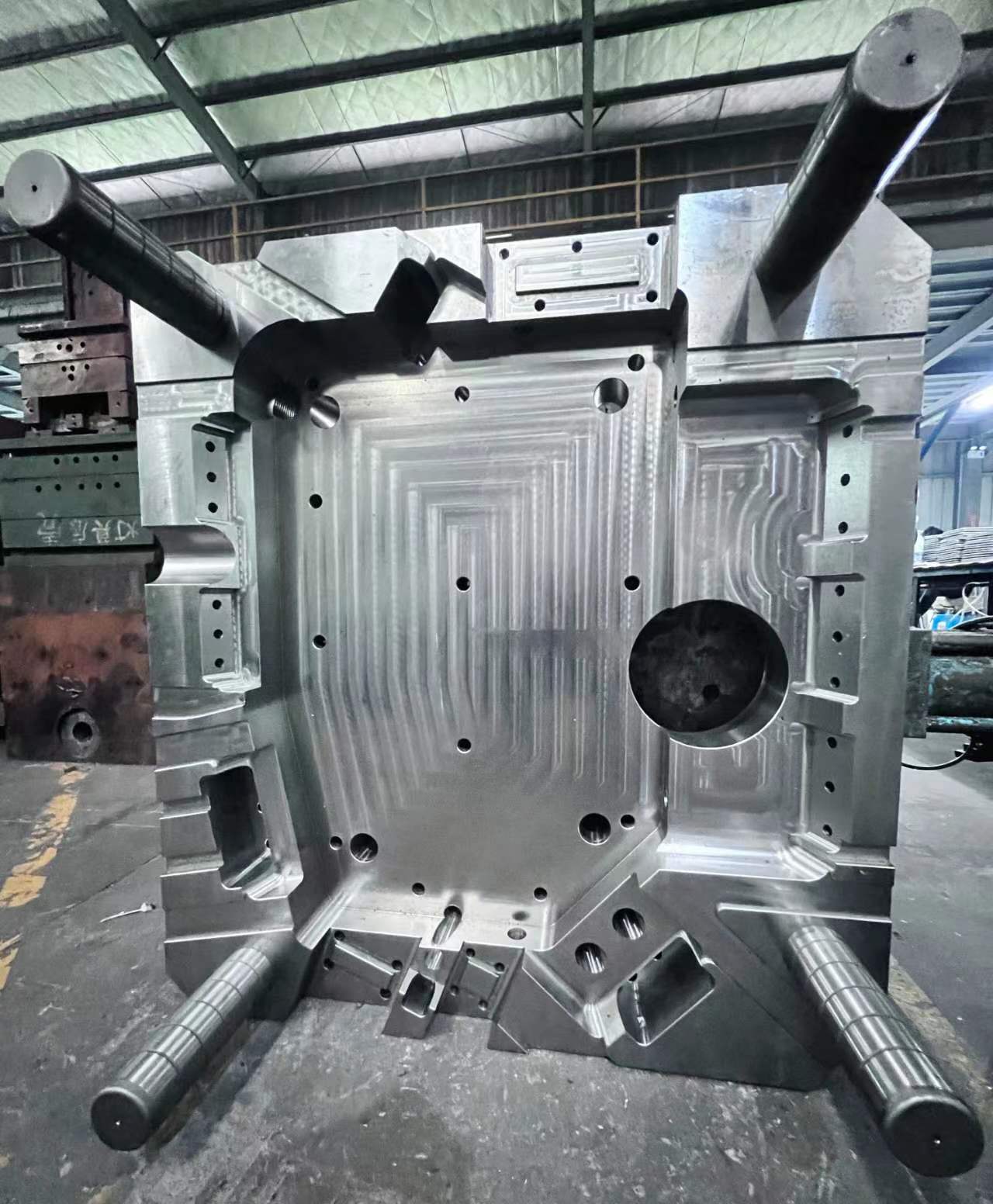
Process and mold design
The correct part design is to maximize the economic benefits of the thixotropic injection molding process while ensuring the processing effect of near net molding and the target size to be achieved.
The flexibility of plastic part design can be applied to the production of metal parts, which can produce parts with particularly complex shapes, and can manufacture multiple parts, features, and functions in a single part.
When designing the shape of a part, it is necessary to consider that the mold cavity can be completely filled with injection material to form the full shape of the part. The solidification of the injection material must be non-destructive to the formed blank of the part. The formed blank must be ejected from the mold without deformation and can be further processed.
Selection of molding machine. The size selection of the molding machine is determined by calculating the locking force based on the projected area of the product. Assuming the total projected area (including the main flow channel, diversion channel, and overflow groove) is A (cm2), and the internal pressure of the mold during injection is P (kN/cm2), the required locking force is calculated as follows:
The locking force of the machine is ≥ A × P × safety factor
Usually, the pressure inside the metal mold cavity during thixoforming is calculated at 800. Compared with plastic products, the pressure inside the mold cavity of magnesium alloy is higher (the pressure inside the mold cavity of plastic products is 250-500 kN/cm2), so a large locking force molding machine is required. Regarding the safety factor, the thinner the wall of the molded product, the higher the injection pressure setting, and the faster the injection speed setting. Therefore, it is necessary to improve the safety factor setting. Usually, the safety factor is set between 1.2 and 1.3. Additionally. If the exact projection area of the main flow channel, diversion channel, and overflow channel is not known, the total projection area should be 1.3 times the product's projection area. After the mold design is completed, it is necessary to confirm again.
The basic structure of the mold used for thixotropic molding is almost identical to that of plastic injection molds. The design of gates, overflow channels, etc. is similar to that of die casting molds. The process and mold design process of thixotropic molding are shown in Figure 4. The initial solution is to fit the mold cavity into the mold, and then choose where to press the molten magnesium alloy into the mold cavity (the air inside the mold cavity escapes. The molten magnesium alloy is fully filled into the mold cavity). The method of mastering the filling flow situation before forming is called flow analysis. Through flow analysis, the positions of gates and overflow channels can be predicted, effectively utilizing the results of flow analysis. When making molds, risks can be reduced and the molds can be put into mass production in a short period of time.